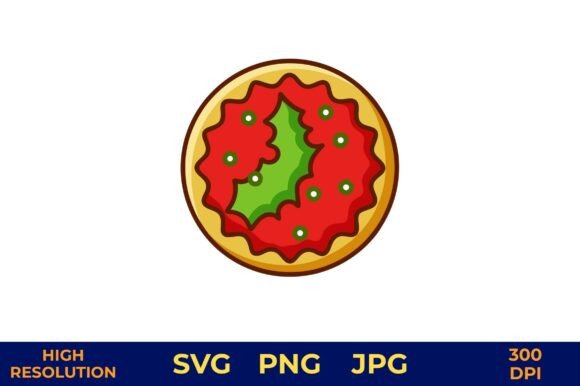
Christmas Cookie Vector Illustration Review
As a designer who has spent years navigating the gap between digital art and physical stitching, I approach every new machine embroidery design with a mix of excitement and skepticism. The screen often lies; it promises crisp lines and perfect curves that can vanish under the pressure of a needle. Today, I am putting the Christmas Cookie Vector Illustration to the test. This isn't just about how pretty the vector looks in Adobe Illustrator or CorelDraw; it is about how this specific embroidery file translates into a tangible, sellable product for your craft business or holiday gift line.
The First Impression: Visual Personality and Mood
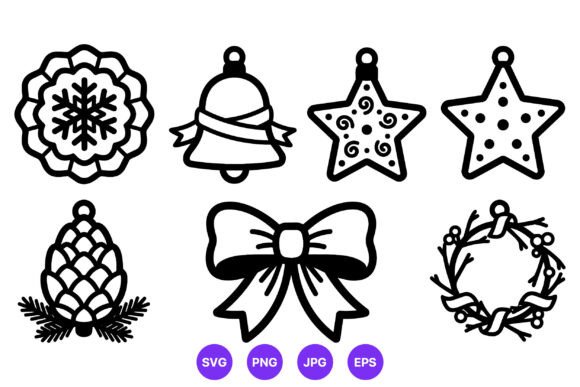
When you first open the Christmas Cookie Vector Illustration, the mood is immediately established. It captures that warm, nostalgic feeling of the holidays without feeling cluttered. The shape suggests a classic sugar cookie or gingerbread form, likely featuring festive decorations like icing swirls, sprinkles, or holly accents. In the realm of Illustrations, simplicity often wins when converted to thread. This design strikes a balance where the details are present but not so dense that they will cause registration issues on a home machine.
The visual personality feels playful yet professional. For an Etsy seller or boutique owner, this kind of asset is gold. It screams "handmade" while maintaining the clean lines necessary for a polished finished product. However, my immediate thought as a reviewer is always about the stitch types. Does this illustration rely too heavily on fine running stitch for the outlines, or does it utilize satin stitch effectively to create bold, defined edges? A good holiday design needs that pop of color and definition to stand out against the busy patterns of winter fabrics.
Real-World Application: From Screen to Stitch
Let's move beyond the computer screen and imagine a real project. Picture yourself preparing a custom embroidered tote bag for a local holiday market. You want something that says "festive" without looking like a cheap mass-produced item. The Christmas Cookie Vector Illustration fits perfectly here. If you were to use this on a sturdy canvas tote, the stitch density would likely hold up well, creating a textured, tactile element that customers love to touch.
Consider another scenario: a personalized sweatshirt for a family reunion or a small shop product like a kitchen apron. Holiday custom apparel is a huge market, and designs that feature food motifs are perennial favorites. When I visualize this design on a fleece sweatshirt, the soft texture of the fabric pairs beautifully with the whimsical nature of a cookie illustration. The key here is placement. Centering this tote bag design or sweatshirt embroidery on the chest creates a focal point that draws the eye immediately.
For those focusing on baby embroidery, this design offers a gentle, cheerful aesthetic suitable for nursery decor or baby blankets. Imagine a onesie with a tiny version of this cookie near the hem—it’s adorable and timeless. However, scaling is critical. While the vector format allows for resizing, reducing the size too much can compromise the integrity of the fill stitch areas, leading to gaps or puckering.
Where Caution Is Required
Not every fabric or project is suitable for every design. As an experienced decorator, I must advise caution when using the Christmas Cookie Vector Illustration on certain materials. Thin fabrics like silk or lightweight rayon can struggle with the weight of the stitches, especially if the design includes dense fill stitch areas representing icing or chocolate chips. Without the proper stabilizer, the fabric may pucker, ruining the look of your handmade product.
Textured fabrics, such as heavy denim or boucle, can also be tricky. The uneven surface might cause the needle to skip or the thread to sit inconsistently, making the fine details of the cookie illustration look muddy. Similarly, dark fabrics require careful consideration of thread colors. If the original vector relies on light pastel shades for the icing, you will need to add an underlay layer to ensure visibility and vibrancy. Always test the design on scrap fabric first to see how the contrast plays out before committing to a client order.
Curved surfaces like caps are another area where precision matters. If the Christmas Cookie Vector Illustration has long, sweeping curves, mapping them onto a curved cap panel can distort the shape. You might find that the cookie looks stretched or warped unless the digitization specifically accounts for the curvature. For embroidered patch applications, ensure the backing is rigid enough to support the design without sagging.
Maximizing Product Value and Customer Trust
In the competitive world of commercial embroidery, the quality of your design directly impacts customer trust. A poorly executed holiday embroidery project can lead to returns and negative reviews. Conversely, a well-chosen design like this one can elevate your brand. When a customer receives a personalized gift with a crisp, well-defined cookie illustration, they perceive higher value. It signals that you care about the details and have invested in quality design assets.
This design enhances the giftability of your products. Whether it is a pillow cover, a tea towel, or a decorative accent on a blanket, the festive theme makes it an instant conversation starter. For digital product sellers offering mockups, having high-quality images of this design on various items helps buyers visualize the final result, increasing engagement and sales. Consistency is key; using a cohesive style across your small shop product line builds brand recognition.
Practical Designer Notes for Success
Before you finalize any project using the Christmas Cookie Vector Illustration, follow these practical steps to ensure success:
- Test on Scrap Fabric: Never skip the test run. Check how the hoop size accommodates the design and whether the tension settings need adjustment for your specific fabric.
- Review Stitch Density: Look closely at the darker areas. Are they too dense? If so, thinning out the fill stitch can prevent puckering and save on thread costs.
- Check Thread Colors: Ensure the palette works for both light and dark backgrounds. You may need to swap out a few thread colors to match your seasonal inventory.
- Inspect Small Details: Zoom in on the vector. Are there tiny elements that might get lost in the stitching process? Simplify if necessary.
- Use Proper Stabilizer: Choose a tear-away or cut-away stabilizer based on the fabric type to support the weight of the stitches.
- Verify Licensing: Before selling finished items or digital embroidery files, confirm the licensing terms. Some Illustrations are for personal use only, while others allow commercial application.
Ultimately, the Christmas Cookie Vector Illustration is a versatile tool in your creative arsenal. It brings a touch of holiday cheer to personalized gifts and apparel decorators alike. By understanding its strengths and limitations, you can create stunning, professional-grade embroidery that delights your customers and strengthens your reputation as a skilled maker. Remember, the best designs are those that translate seamlessly from the digital realm to the stitched reality.